What is a Blindspot?
October 17, 2024
Exploring the Enneagram: My Personal and Professional Journey in Sales
November 27, 2024
Yes.
Everyone has Blindspots. And if you’re in sales your Blindspots are preventing you from getting more of what you want - more sales, more income, more success.
Blindspots in sales are the behaviors, habits, or tendencies that prevent you from getting a lot of things done that are necessary to be successful in sales. Things like:
- Building and creating relationships
- Learning customer problems
- Learning personal motivations behind buying
- Identifying authority vs influence
- Presenting compelling value propositions
- Building a healthy sales funnel
- Connecting emotionally
- And much, much more
While your Blindspot behaviors and tendencies aren’t always deal-breakers, they can be the difference between making progress and winning more sales, or falling short and missing your quota.
So, how can you identify your Blindspots and more importantly, what can you do about them?
How to Identify Your Blindspots
It might seem odd to think that you can identify or point out something about yourself that you can’t see. It’s extremely hard to do it alone. So try this:
- Ask for Feedback. The quickest way to uncover your Blindspots is to ask for feedback from the people who know you best—colleagues, managers, or even clients. If you’re brave enough, ask your spouse or close friends. Their responses might sting a little, but they’re invaluable in revealing the behaviors you can’t see on your own.
- Self-Reflection. Are there certain situations where you tend to get stuck? Maybe you have trouble closing deals with a certain type of client, or perhaps you often leave meetings feeling like you missed something. These moments can be clues to your Blindspots. Reflecting on where you consistently struggle can help you identify patterns in your behavior.
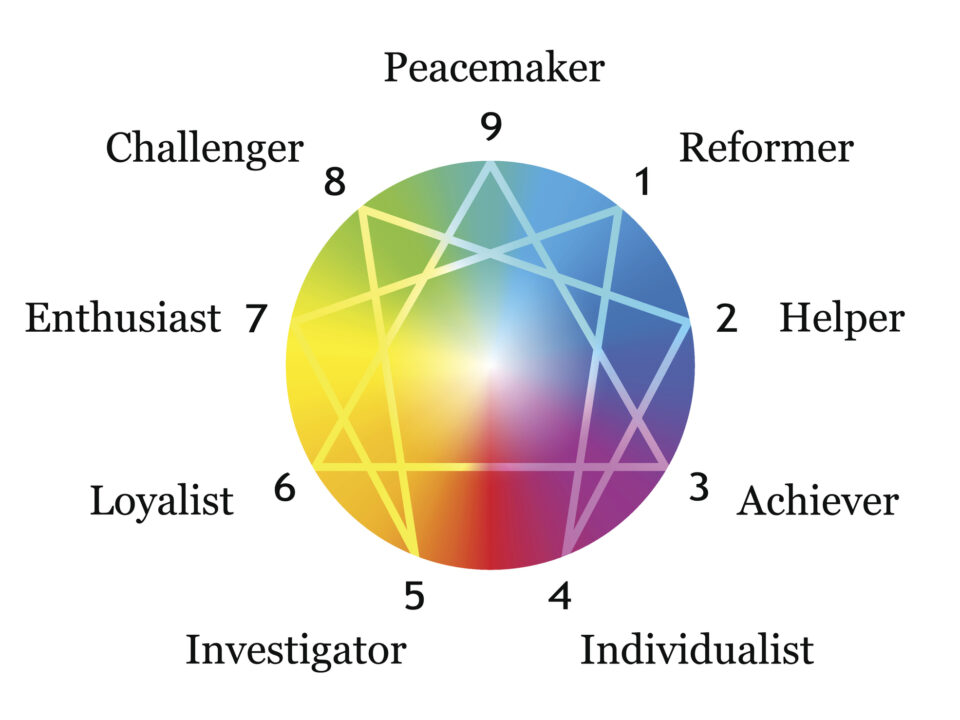
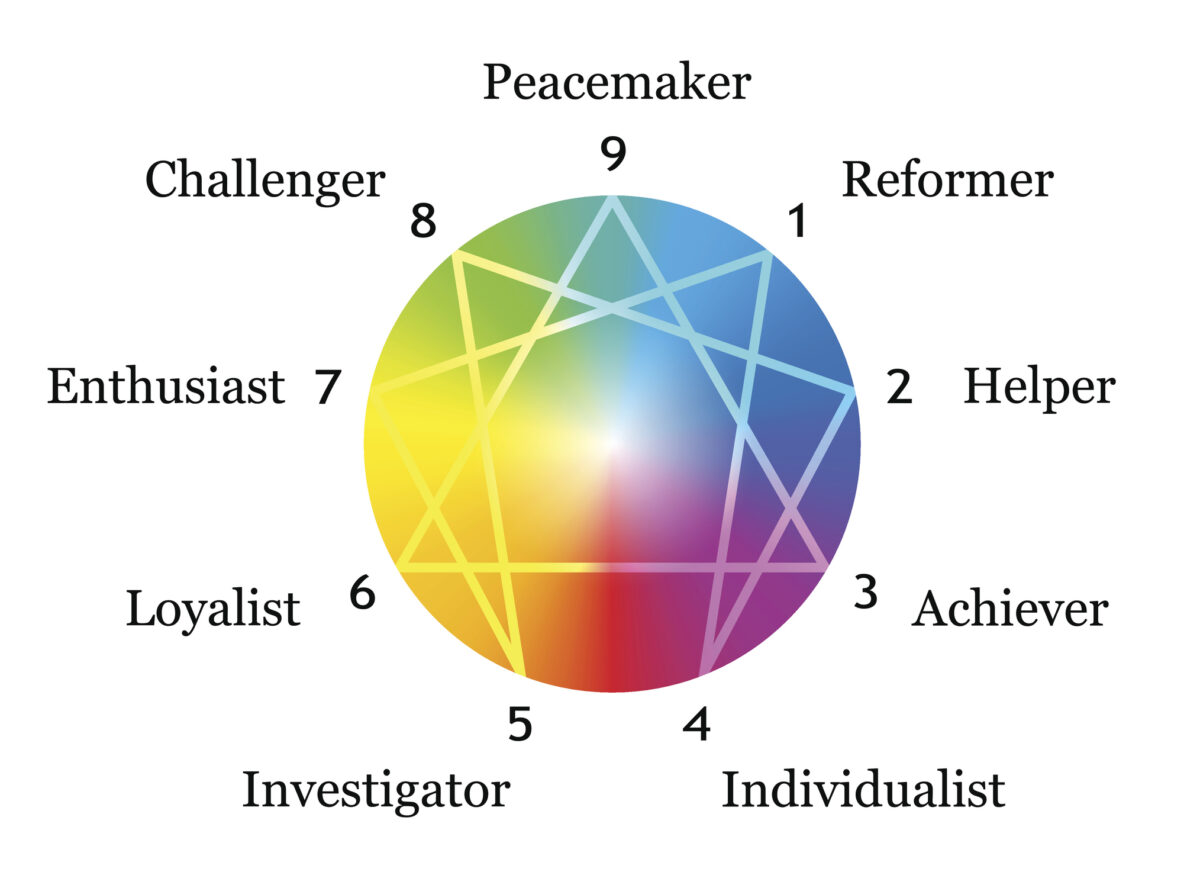
- Use Tools Like the Enneagram. The Enneagram is a personality tool that helps identify your core motivations and potential Blindspots based on your type. It’s great for showing you not just what your strengths are, but also where you might be getting in your own way. Each Enneagram type comes with its own unique set of virtues—and when those virtues are overdone, they become vices.
Where to Find Your Sales Blindspots - The Vice in the Virtue
The reason Blindspots are so hard to see is because they come from the same place as something good, your virtues.
Take persistence, for example. Persistence is a valuable trait in sales. You need it to keep pushing when deals take time, when clients stall, or when the path to success isn’t clear. But what happens when you become too persistent? You can come across as pushy or even desperate. Or, your persistence can blind you to the fact that there’s no potential for a sale right now in this account. You’re literally wasting your time.
Think of the vice and virtue like getting your bloodwork done for an annual physical.. There’s a healthy range for everything. Being out of range—whether too high or too low—can signal a problem. Persistence, assertiveness, even a little bit of selfishness (like wanting to make more commission or join the President’s Club)—these are all normal, even healthy traits for salespeople. But when they cross that invisible line, they stop serving you and start hurting your results.
Here are some examples of when virtues turn into vices:
- Too Structured. As a virtue, being structured looks like planning well for the day or week, anticipating surprises, being ready for sales calls, and being proactive. But when structure becomes a vice it could lead to being inflexible, not open to ideas, missing opportunities, and even turning off customers with your approach.
- Too Selfish. Salespeople are naturally driven by results—more deals, more commissions, bigger bonuses. But when selfishness shows up as pushing a client into a solution that benefits you more than them, you’re walking into dangerous territory. A good client relationship is about mutual benefit, not just hitting your own targets.
- Too Assertive. Confidence is key in sales. But when you overstep, it can become arrogance. If you’re constantly cutting clients off, talking over them, or pushing your agenda without really listening, your assertiveness has turned into a vice. You’re no longer serving your client’s needs, and that’s a sure way to lose trust.
Examples of Sales Blindspots
Here’s the tricky part: Blindspots don’t always look the same for everyone. The way a Type 1 on the Enneagram (the Perfectionist) experiences Blindspots will differ from a Type 9 (the Peacemaker). However, there are some common Blindspots that show up in sales that many of us can relate to.
- Over-Emphasizing Features Instead of Benefits A common Blindspot is getting caught up in the details of your product or service. You think rattling off every feature is the best way to sell. But clients don’t buy features; they buy solutions. If you’re not translating those features into tangible benefits for your client, you’re missing the mark.
- Talking More Than Listening A lot of salespeople don’t realize how much they dominate conversations. They think they’re making a strong pitch by constantly talking. But what’s often more powerful is listening—letting the client explain their needs and pain points. Failing to listen is a Blindspot that can result in missed opportunities and connections.
- Making Assumptions About the Client’s Needs Salespeople sometimes assume they know what the client wants before they even ask the right questions. This is a big Blindspot. Every client is different, and assuming their needs instead of discovering them can lead to offering the wrong solution, which in turn, costs you the sale.
Dealing with Your Blindspots in Sales
Identifying Blindspots is just the first step. Once you know what they are, you have to deal with them. LIke the bloodwork which signals a concern, you act on it. If you can recognize when you’re too persistent, then for the next call you plan for how to avoid this. If you admit that you’re overly focused on your own goals, then be intentional on the next call to keep that in check and focus on the customer’s goals. If you catch yourself talking too much, plan for the next call how you can listen more and talk less.
The key is recognizing when a virtue is about to become a vice. Intercept that rascal before he derails the outcome!
Next Steps: Don’t Let Your Blindspots Hold You Back
You’re not alone in having Blindspots.. Being unaware of them will cost you. If you want to reduce your exposure, take action now.
At Blindspots in Sales, we specialize in helping sales teams and individuals uncover these hidden barriers and turn them into strengths. Schedule a meeting with me to learn more about how recognizing and managing your Blindspots can help you get more of what you want - more sales, more income, more success.