What is the Enneagram?
November 27, 2024
Unique Blindspots by Enneagram Type – A High-Level Overview
January 10, 2025
Have you ever been driving and suddenly heard a horn blare as a car appeared out of nowhere? You weren’t intentionally reckless—you just didn’t see the Blindspot. You also have Blindspots that affect your sales success. These Blindspots can hold you back from connecting with clients, closing deals, and getting more of what you want - more sales, more income, and more success.
The Enneagram offers a powerful way to identify and address your Blindspots in sales. But today, our focus isn’t the Enneagram itself—it’s on uncovering and understanding the Blindspots that may be holding you back.
What Are Blindspots?
Blindspots are the unconscious behaviors, habits, and patterns that hinder our effectiveness. Though you can’t see your Blindspots, your clients, colleagues, manager, and others can.
The term “Blindspot” has been culturally relevant in the professional world lately. It resonates because we all know the feeling of being blindsided, whether it’s missing an important detail in a meeting or not noticing how our tone affects a conversation.
In sales, Blindspots can take many forms. Maybe you’re overconfident, missing subtle cues from a hesitant client. Perhaps you micromanage your team, thinking it ensures quality, while it actually stifles creativity. Or you might struggle with follow-through, leaving prospects feeling unimportant. These Blindspots can cost you relationships, trust, and ultimately, results.
The Role of the Enneagram in Identifying Blindspots
Here’s where the Enneagram comes in. Think of it as the roadmap or test—it shows you the terrain. Your Blindspots, however, are the diagnosis. They’re the specific areas the Enneagram helps you uncover.
The Enneagram isn’t just a personality test; it’s a guide to self-awareness. It provides a framework to understand why you act the way you do, helping you pinpoint those hidden Blindspots unique to your personality type.
For sales professionals, the Enneagram isn’t about labeling yourself as a “Type 3” or a “Type 7.” It’s about using that understanding to grow, adapt, and address behaviors that hold you back. So, take a closer look—it’s not about being boxed in; it’s about breaking free.
Common Blindspots by Enneagram Type
Here are some Blindspots associated with each Enneagram type:
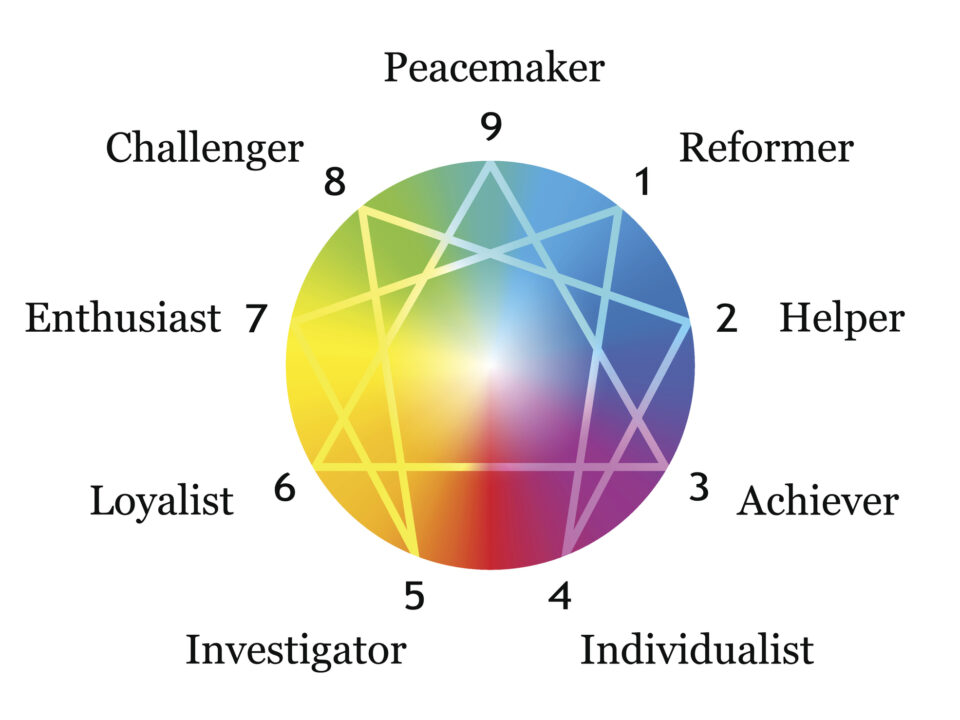
- Type 1 (The Perfectionist): Can be overly critical of self and others and/or have a rigid adherence to rules.
- Type 2 (The Helper): Can neglect personal needs while overly focusing on others.
- Type 3 (The Achiever): Can sacrifice authenticity for success, may struggle with vulnerability.
- Type 4 (The Individualist): May dwell on negative emotions, and/or be overly self-absorbed.
- Type 5 (The Investigator): Has a tendency to avoid engagement, and overanalyzes decisions.
- Type 6 (The Loyalist): Is occasionally paralyzed by overthinking, may struggle with trust.
- Type 7 (The Enthusiast): May attempt to avoid pain or discomfort, can lack focus.
- Type 8 (The Challenger): Can come across as domineering and resistant to vulnerability.
- Type 9 (The Peacemaker): Prefers to avoid conflict, can struggle with decisiveness.
Recognizing these Blindspots is the first step toward addressing them and improving your sales performance.
By the way - I’ll be diving deeper into each type on my blog. Once a deep dive is complete, I’ll link it above. Don’t see your type linked yet but can’t wait for the deep dive? Give me a call.
Why Recognizing Blindspots Matters for Sales Success
Blindspots can derail your success in two major ways:
- Impact on Relationships: If you’re unaware of your Blindspots, you risk damaging trust and rapport with clients. For example, a Type 8 salesperson might come across as too forceful, alienating a more reserved client.
- Impact on Results: Left unchecked, Blindspots can lead to missed opportunities, poor client retention, and stagnant growth.
The good news? Identifying and addressing your Blindspots creates opportunities for personal and professional growth. It’s the key to building deeper client connections, improving your sales outcomes, and unlocking your potential.
Practical Steps to Identify and Address Your Blindspots
Ready to tackle your Blindspots? Here’s how:
- Take the Enneagram Test: Discover your type to understand the tendencies driving your Blindspots.
- Reflect on Your Blindspots: Use your Enneagram results to identify the specific behaviors holding you back.
- Seek Feedback: Ask colleagues, mentors, or even clients for honest feedback on areas you might not see.
- Develop Strategies: Address Blindspots with intentional actions like coaching, journaling, or structured goal-setting.
Blindspots can seem overwhelming, but they don’t have to be. By using tools like the Enneagram to identify and understand these hidden obstacles, you can grow as a salesperson and as a person. The first step is awareness.
Are you ready to uncover your Blindspots and achieve greater success? Let’s chat more.