What Comes First, the Blindspot or the Enneagram?
January 2, 2025
Have you ever noticed how your strengths can sometimes become your biggest weaknesses? It’s a paradox that many of us live out daily. Through the lens of the Enneagram, we uncover why this happens—and, more importantly, how to change it.
The Enneagram reveals our natural tendencies, showing us that these instincts can lead to either virtuous or vicious behavior depending on how we manage them. This awareness is transformative. It’s not just about understanding yourself; it’s about recognizing how your habits impact your relationships, work, and personal growth.
Every Enneagram type has unique blindspots tied to their vices and virtues. In this post, we’ll explore what those Blindspots are, how they show up, and how awareness can help you turn them into opportunities for growth—both in life and in sales performance.
Vices and Virtues – The Two Sides of Our Natural Tendencies
Each of us has ingrained patterns of behavior and thought that feel instinctive—our natural tendencies. These tendencies can work in our favor, inspiring trust, integrity, and resilience when we act with intention.
However, when left unchecked, they can veer into vices that harm our relationships and performance. For example, a Type 3’s focus on efficiency can lead to inspiring productivity (virtue) or cutting corners to achieve success at all costs (vice). Understanding this duality is crucial to unlocking your full potential and minimizing the harm of your blindspots.
Unique Blindspots by Enneagram Type
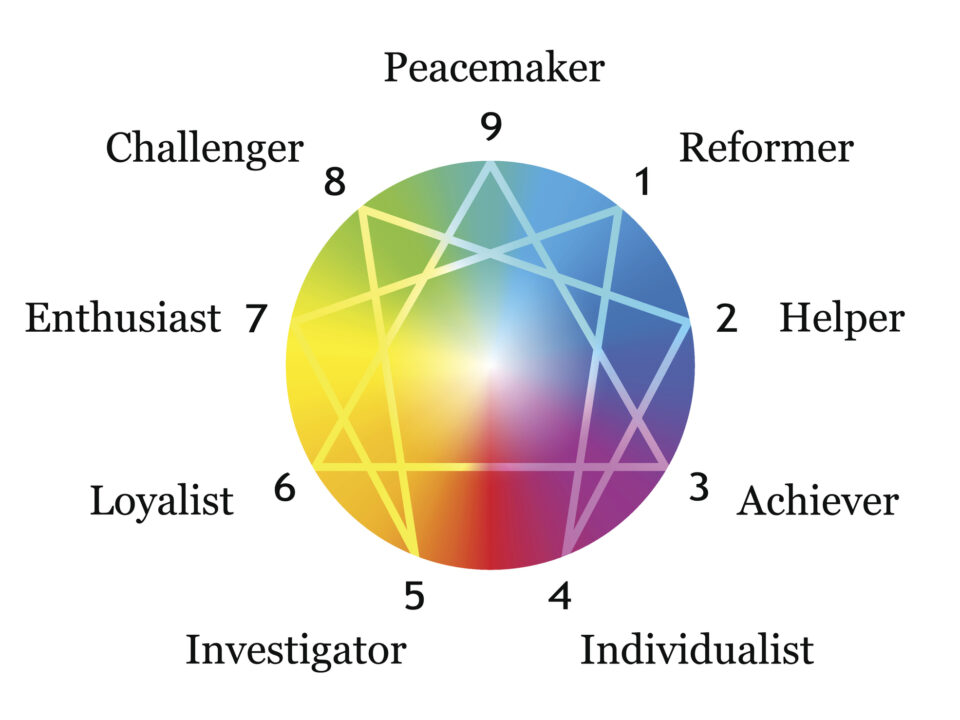
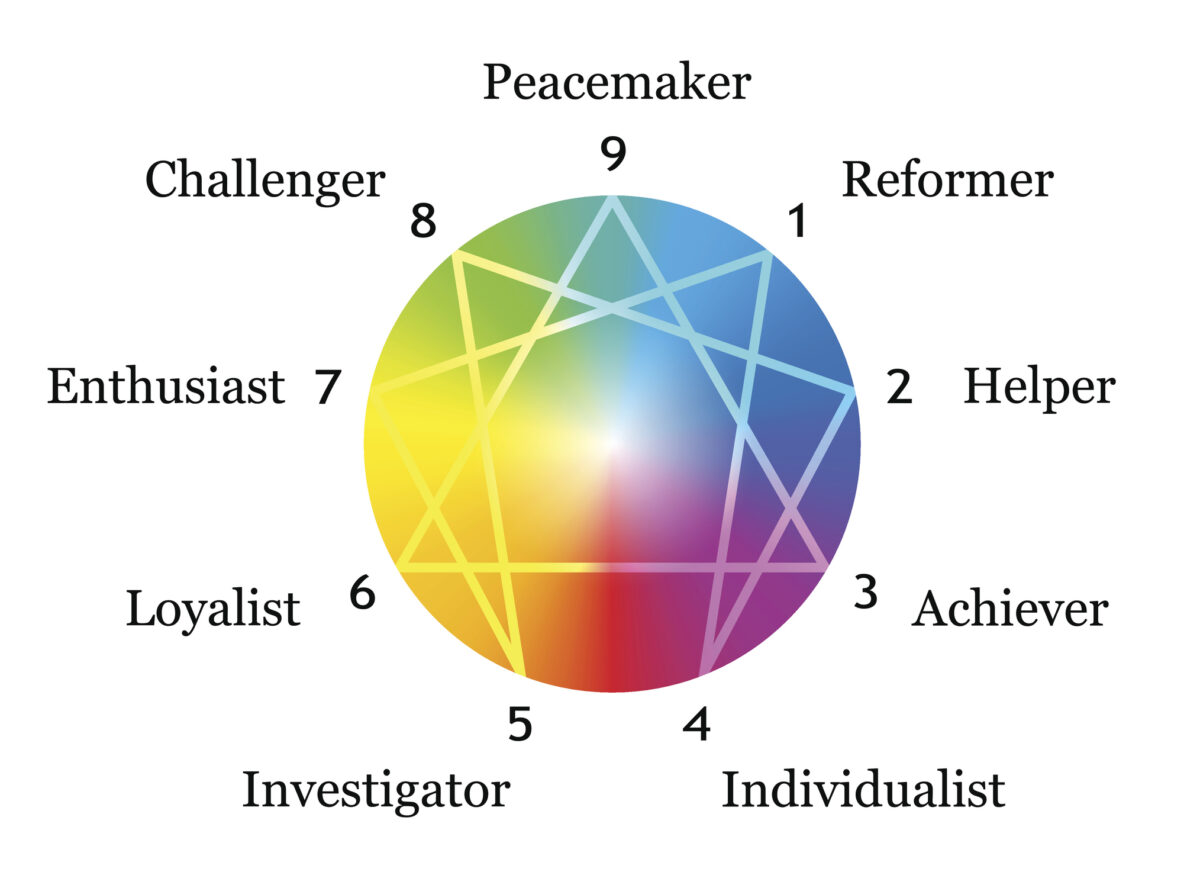
Here’s a high-level look at some example blindspots, vices, and virtues for each Enneagram type:
- Type 1 (The Perfectionist)
- Vice: Rigidity or judgment.
- Virtue: Integrity and fairness.
- Blindspot: A tendency to be overly critical, which can alienate clients or coworkers.
- Type 2 (The Helper)
- Vice: Manipulation to feel needed.
- Virtue: Genuine compassion.
- Blindspot: Neglecting personal boundaries while overly focusing on others.
- Type 3 (The Achiever)
- Vice: Deceptiveness or insincerity.
- Virtue: Drive and adaptability.
- Blindspot: Prioritizing success over authenticity, leading to shallow relationships.
- Type 4 (The Individualist)
- Vice: Self-absorption or envy.
- Virtue: Creativity and emotional depth.
- Blindspot: Focusing too much on personal feelings, losing sight of others' needs.
- Type 5 (The Investigator)
- Vice: Detachment or withholding.
- Virtue: Insightfulness and resourcefulness.
- Blindspot: Avoiding engagement and overanalyzing decisions, delaying action.
- Type 6 (The Loyalist)
- Vice: Anxiety or overthinking.
- Virtue: Loyalty and reliability.
- Blindspot: Struggling to trust others or their instincts, leading to indecision.
- Type 7 (The Enthusiast)
- Vice: Impulsiveness or avoidance.
- Virtue: Optimism and versatility.
- Blindspot: Distracting themselves from pain or discomfort, leading to a lack of focus.
- Type 8 (The Challenger)
- Vice: Aggressiveness or domination.
- Virtue: Confidence and protection of others.
- Blindspot: Coming across as too forceful, intimidating clients or team members.
- Type 9 (The Peacemaker)
- Vice: Complacency or passivity.
- Virtue: Harmony and inclusiveness.
- Blindspot: Avoiding conflict at all costs, which can lead to a lack of assertiveness.
By the way - I’ll be diving deeper into each type on my blog. Once a deep dive is complete, I’ll link it above. Don’t see your type linked yet but can’t wait for the deep dive? Give me a call.
Recognizing the Potential for Growth
Awareness is power. Recognizing your Blindspots allows you to lean into your virtues and manage your vices. This is especially valuable in sales, where self-awareness can improve client relationships, team dynamics, and personal effectiveness. For example, a Type 6 salesperson who recognizes their tendency to overthink can focus on building trust in their instincts, becoming more decisive in client interactions.
The Enneagram isn’t just a personality test—it’s a tool for transformation, helping you move from reactive habits to intentional growth.
How to Identify and Address Your Blindspots
- Identify Your Type: Use the Enneagram to discover your type and gain insight into your natural tendencies.
- Reflect on Your Tendencies: Are you leaning toward virtuous or vicious behaviors?
- Seek Feedback: Ask trusted peers or mentors to help you uncover blindspots you might not see on your own.
- Create Strategies for Growth: Use tools like journaling, coaching, or mindfulness practices to amplify virtues and minimize vices.
Each Enneagram type has unique blindspots tied to its vices and virtues. The good news? Awareness creates the opportunity for growth. By understanding your natural tendencies, you can make intentional choices that lead to virtuous outcomes. The Enneagram isn’t just a mirror—it’s a roadmap for becoming the best version of yourself. Take the first step today and explore more by scheduling a discovery call with me.